
Yeti DNA: what science says
After two hundred years of stories, photographs and relics, the twenty-first century took the question into the laboratory. The answer disappointed many, and introduced the world to a remarkable Himalayan animal.
The studies
In 2014 the Oxford geneticist Bryan Sykes tested hair samples said to come from yetis. He claimed that two samples, from India and Bhutan, matched the DNA of an ancient polar bear that lived tens of thousands of years ago, and suggested an unknown hybrid bear might live in the Himalaya. Other scientists later reanalysed the samples and showed the result was an error caused by degraded DNA; they were ordinary brown bears.
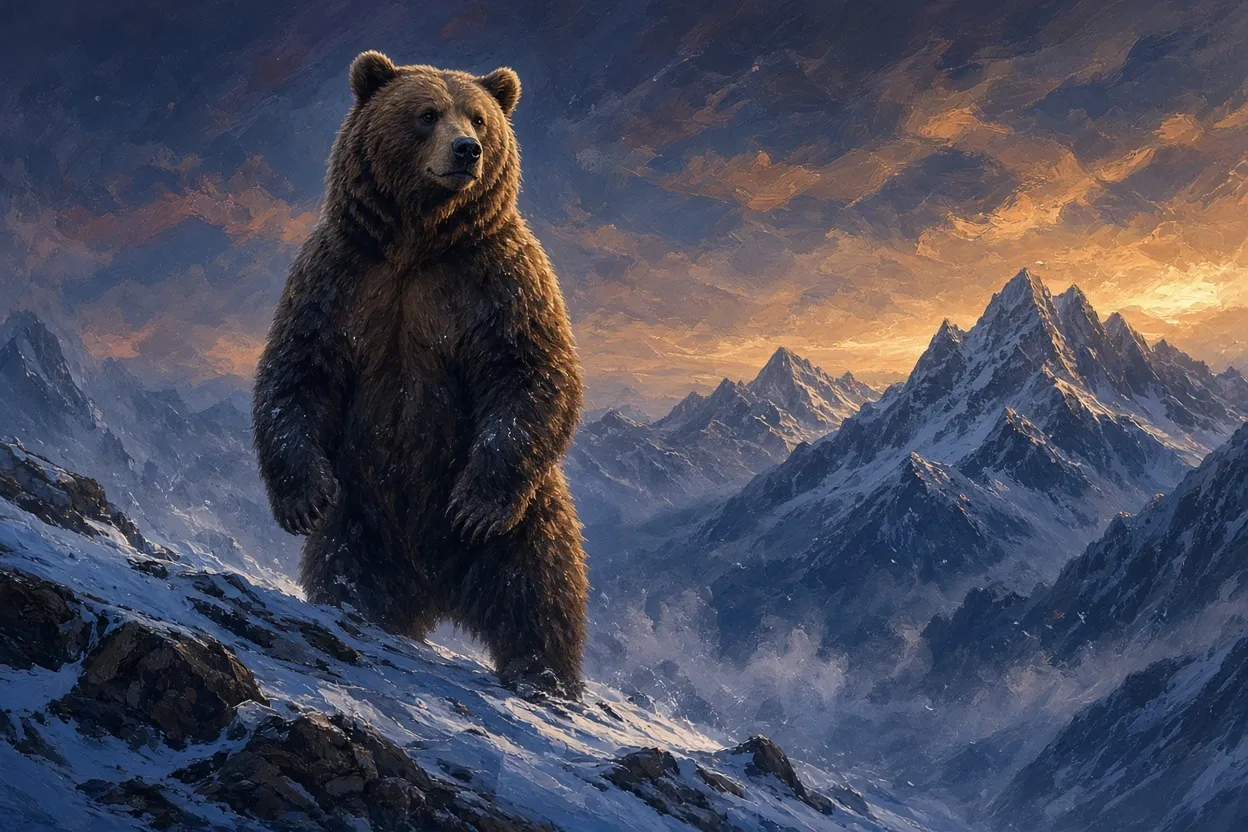
In 2017 a team led by Charlotte Lindqvist at the University at Buffalo tested nine ‘yeti’ specimens, including bone, teeth, skin, hair and even faeces, and published the results in Proceedings of the Royal Society B. Eight of the nine came from bears: the Asian black bear, the Himalayan brown bear or the Tibetan brown bear. One came from a dog.
Lindqvist concluded that the biological roots of the yeti legend lie in local bears. That does not prove the yeti does not exist, only that the samples tested were bears. The work also showed something else: the Himalayan brown bear is a very distinct and rare animal, and one that urgently needs protecting.
In Aowri
Aowri does not try to prove the yeti, nor to deny it. Mukit knows that after all the accounts no solid proof has ever been found. Still, standing in the Khumjung monastery, his curiosity will not rest.
In truth, Aowri’s mystery is not the yeti. What lies hidden behind the Himalaya is older, and more human. For that, you’ll need the book.
“And so the yeti remains, to this day, a creature of stories.”